Drip irrigation and soaker hoses both deliver water directly to soil rather than spraying it through the air, which makes them roughly twice as efficient as sprinkler systems at getting water to plant roots. The choice between them isn’t between good and bad. It’s between two different design philosophies, each with strengths in specific situations. Most gardeners default to one without really comparing, and end up either over-engineering a small bed or under-supplying a complex one.
The slow version of this comparison is worth working through before buying anything. The investment isn’t huge for either system, but installing one and then realizing the other would have worked better is a frustration worth avoiding. The EPA WaterSense program notes that as much as half of the water applied to lawns and gardens is wasted through evaporation, wind, or runoff, so the delivery method genuinely matters.
How each system works
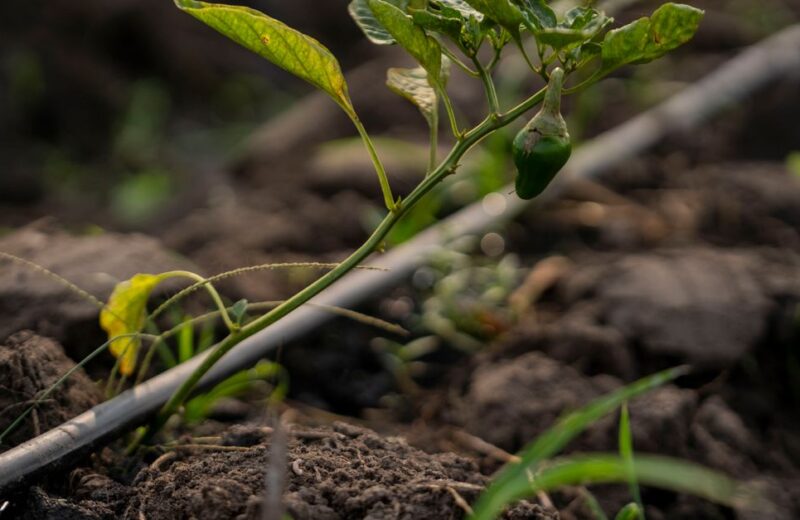
A drip irrigation system uses a network of plastic tubing with individual emitters at fixed intervals. Each emitter releases water at a precise rate (typically 0.5 to 2 gallons per hour) at a specific spot. Tubing runs along plant rows; emitters sit at the base of each plant.
A soaker hose is a porous rubber or fabric hose that “sweats” water along its entire length. Water seeps out evenly through the wall of the hose into the surrounding soil. There are no emitters, just a continuous slow release wherever the hose runs.
| Feature | Drip irrigation | Soaker hose |
|---|---|---|
| Water delivery | Discrete points | Continuous along length |
| Setup complexity | Moderate | Easy |
| Cost (typical 100 sq ft) | $40 to $80 | $15 to $30 |
| Adjustability | High (change emitters) | Low (fixed flow) |
| Lifespan | 8 to 15 years | 3 to 7 years |
| Maintenance | Clear clogged emitters | Replace when sections fail |
| Pressure tolerance | Needs regulator | Tolerates higher pressure |
| Best for | Row crops, mixed plantings | Dense beds, hedges, borders |
When drip wins
Drip irrigation is the right answer when:
- You have rows of plants: vegetable beds, blueberry rows, fruit trees
- Different plants need different water amounts (you can change emitter rates per plant)
- You want precise control over water placement
- The system needs to last a decade or more
- You have hard water (drip systems can be flushed; soaker hoses tend to clog from inside)
The big advantage of drip is precision. A drought-tolerant rosemary at the edge of a bed can have a 0.5 GPH emitter, while a tomato in the middle of the same bed gets a 2 GPH emitter. Each plant receives exactly what it needs without flooding the others.
When soaker hose wins
Soaker hoses make more sense when:
- You have a continuous row, hedge, or dense flower bed
- You want simple installation with no planning
- The garden layout changes regularly
- Budget is tight
- You’re new to drip irrigation and want a simpler entry point
Soaker hoses excel at watering long, continuous strips. A 50-foot length along the back of a perennial border, snaked through the plants, waters the entire bed with no design decisions to make. The flow is uniform along the hose, so anything within a few inches of the hose gets consistent moisture.
The hybrid approach
Many gardens benefit from both systems. In our backyard, we use drip in the vegetable garden where individual plants have different needs, and soaker hoses in the flower border where the plants are densely packed and roughly similar in water demand. Each system handles what it does best.
This dual approach also addresses the lifespan issue. Soaker hoses are cheap enough to replace every few years; drip emitters and tubing last much longer but cost more upfront. Using the cheaper option where it works and the durable option where precision matters balances both budgets.
Installation realities
For drip irrigation, a basic 100-square-foot garden setup includes:
- Main line tubing (1/2-inch poly tubing)
- Smaller distribution tubing (1/4-inch)
- Emitters at each plant (0.5 to 2 GPH)
- Pressure regulator at the hose bib
- Filter (especially with municipal water)
- End caps and connectors
Setup takes 2 to 4 hours for a beginner. The first attempt usually involves some replanning as you discover that your initial layout doesn’t quite work; this is normal.
For soaker hoses, installation takes about 30 minutes. Unroll the hose, snake it through the bed, connect to a hose bib (with a pressure regulator if your water pressure is high), and turn on for testing. Bury under 1 to 2 inches of mulch to slow evaporation and protect from UV.
Timing and duration
Both systems are most effective when run for longer periods less frequently. The general guideline:
- Drip irrigation: 30 to 90 minutes per session, 2 to 3 times per week, depending on climate and plant type
- Soaker hose: 45 to 120 minutes per session, 2 to 3 times per week
Both should run at dawn, controlled by a battery-operated hose timer ($25 to $50). Pair with a smart controller for rain-skipping if you want to be fancy.
What both systems share
Both drip and soaker hose deliver water at the soil surface where evaporation is minimal and plants can drink efficiently. Both eliminate the 40 percent or more of water that overhead sprinklers lose to evaporation and wind drift. Both reduce fungal disease pressure by keeping foliage dry. Both work well with mulch, which traps moisture in the root zone.
Compared to a sprinkler system, either approach can cut outdoor water use by half or more while keeping plants healthier. The choice between drip and soaker mostly comes down to your garden’s structure, and to which system you’ll actually maintain. For a deeper look at how outdoor watering fits into a household’s total water bill, the EPA’s outdoor water use overview is a good starting point.
The honest answer
If you’re not sure which to start with, get a soaker hose for around $20 and try it on one bed for a season. If it works for your situation, great. If you outgrow it, wanting more precision, watering different plants differently, or needing a longer-lived system, graduate to drip the following year. The soaker hose isn’t wasted; it can still serve a hedge or a strip of bulbs while the new drip system handles the vegetable garden.
Either way, you’ll be saving 30 to 50 percent of the water a sprinkler would have used for the same plants, and the plants will probably be healthier for it.
Where our irrigation numbers come from
The gallon-per-hour ranges, cost estimates, and lifespan windows above draw on EPA WaterSense guidance, drip and soaker hose manufacturer specifications, and years of hands-on use in home vegetable beds and perennial borders. Where a range appears, it reflects typical products at typical residential water pressures. Your specific numbers can shift based on soil type, water pressure at the bib, slope, and plant density.
Irrigation practice is stubbornly local. A schedule that keeps tomatoes thriving in coastal Oregon will scorch them in Phoenix, and the same drip line that lasts fifteen years in soft-water climates can clog in three seasons where iron and calcium are high. Treat the timings and dollar figures as starting points, then adjust once you see how your own beds behave through a full season.