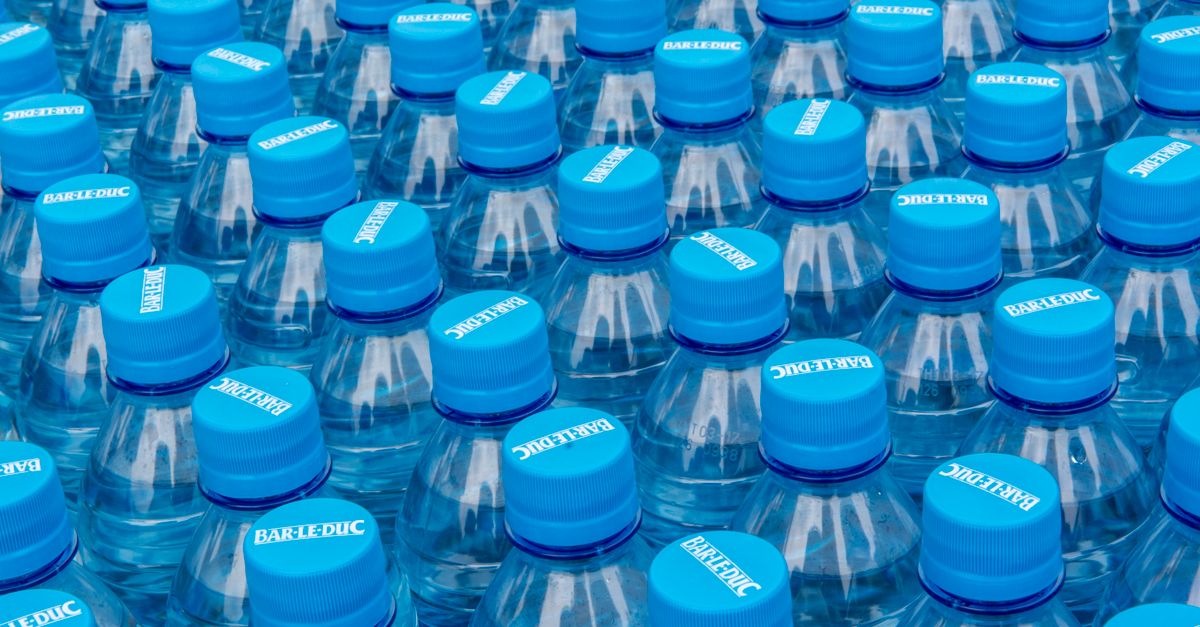
A 16.9 ounce bottle of water at a US convenience store often runs between $1.50 and $2.50. The same volume poured from a home tap in an average American city costs less than a cent. That is a price gap of roughly 300 to 500 times for two liquids that municipal utilities and independent labs frequently report as chemically similar. The dollar gap is only the visible part of the difference. The environmental gap tends to be much wider and much harder to see on a receipt.
What “eco cost” actually counts
When people compare bottled water and tap water on environmental grounds, they usually picture the empty plastic bottle sitting in a bin. The bottle is real, but it is one line on a longer bill. A more useful accounting includes the fossil fuel used to make the polyethylene terephthalate (PET) resin, the water and heat used to mold the bottle, the diesel or gasoline used to ship it from a bottling plant to a warehouse to a store, and the energy used to cool it in a refrigerated case before you buy it.
Tap water has its own footprint. Treatment plants use electricity and chemicals. Distribution pipes leak in every city. Heating tap water at home for coffee or cooking adds gas or electric load. The comparison worth making is not “tap water free, bottled water bad” but the total footprint of one glass of each, measured from source to sink.
Once you list the categories, the pattern is clear. Bottled water carries a much larger share of packaging, transport, and cold-chain refrigeration than a pour from the kitchen tap. Those steps do not disappear because the bottle happens to be recyclable.
The water it takes to make a water bottle
The Pacific Institute has estimated that producing a single-serve PET bottle can require roughly 1.32 to 1.85 liters of water for every liter of bottled water that goes inside it, once you count the water used in resin production, bottle molding, and plant cleaning. In practical terms, a bottling plant is a water-intensive factory even before the tap that fills each bottle turns on.
The energy side of the ledger tells a similar story. PET is petroleum-derived. Producing, shipping, and chilling billions of bottles a year uses meaningful amounts of oil and natural gas. When trucks move cases of bottled water hundreds of miles from a spring or plant to a store shelf, each mile burns diesel that the tap in your kitchen never has to spend.
None of this is a reason to feel guilty about an occasional bottle. It is a reminder that the small piece of plastic in your hand carries a much longer supply chain than a glass of water from your own sink.
How tap water stacks up on the same axes
Tap water in the United States is regulated under the Safe Drinking Water Act, which the US Environmental Protection Agency uses to set legal limits on more than 90 contaminants across public water systems. Utilities are required to publish an annual Consumer Confidence Report that lists what was detected and how the results compared to those limits. You can review the primary rules on the EPA’s own page for National Primary Drinking Water Regulations and then read your local utility’s most recent report to see how your specific supply performs.
Household cost is the other axis. Municipal water in most US cities costs somewhere between $2 and $10 per 1,000 gallons at the meter. That works out to a fraction of a cent per gallon at the sink. There is no bottle to recycle, no case to carry from a car to a pantry, and no truck moving the product to your neighborhood. The trade-off is that you are drinking from a system that is only as good as its treatment plant, distribution pipes, and your own home plumbing.
Older buildings can complicate that picture. Lead service lines and older solder joints can add lead to water that leaves the plant clean. Households with those risks may need a certified filter, which is often still cheaper and lower-waste than switching to bottled water for daily drinking.
A household of four, one year
Consider a household of four adults who each drink about 64 ounces of water a day, which is close to standard hydration guidance. That is 256 ounces per household per day, or roughly 2 gallons. Over a full year, the family drinks about 730 gallons of water.
If that 730 gallons comes from 16.9 ounce single-use bottles at an average of $1.50 each, the household buys about 5,530 bottles and spends around $8,290. If the same 730 gallons comes from a home tap at $6 per 1,000 gallons, the drinking-water bill for the year is about $4.40. The dollar difference is roughly $8,285, and the physical difference is thousands of empty PET bottles that either need to reach a recycling stream or otherwise end up in a landfill or the environment.
Even if you cut those numbers in half to reflect people who mix bottled and tap, the picture does not really change. The bottled path is still hundreds of dollars and thousands of bottles heavier than the tap path for the same volume of water. For families on tight budgets, the same argument shows up in a related way in our post on why “eco” does not have to mean “expensive”.
When bottled water is actually the right call
Bottled water is not always the wrong choice. During boil-water advisories, after a hurricane or flood, or in areas where the local supply is contaminated or under a Do Not Use order, sealed bottled water is often the safest option available. Emergency preparedness guidance from FEMA and the American Red Cross recommends storing at least one gallon of water per person per day for a minimum of three days in case of disruption to the tap supply.
Travel is another honest use case. If you are moving between regions or countries where tap water is not safe for outsiders, or where the treatment history is unknown, sealed bottled water solves a real problem. So does a well-tested travel filter.
Outside those situations, the daily habit of buying bottled water for routine hydration is where the eco cost quietly stacks up. A reusable bottle filled from a filtered tap covers the same need with a small fraction of the packaging and none of the delivery truck miles.
FAQ
Is filtered tap water as safe as bottled water?
In most US municipal systems, tap water that meets the Safe Drinking Water Act limits is already tested more frequently than the average bottled brand. Running it through a certified carbon or reverse osmosis filter at the tap removes chlorine taste and reduces certain metals. For daily household drinking, that combination is generally as safe as bottled water and often safer, because you know exactly what is in the source and what the filter is rated to reduce.
What about lead in older homes?
Lead is the main reason many households prefer bottled water, and it is a serious concern in homes built before 1986 or in cities where service lines have not been fully replaced. The practical answer is testing rather than switching to bottled water indefinitely. A certified lab test costs $20 to $50, and if lead is present, a filter listed to NSF/ANSI 53 for lead reduction handles daily drinking and cooking at a fraction of the yearly bottled cost.
Are reusable bottles actually worth the manufacturing footprint?
A stainless steel or hard-sided reusable bottle takes more energy to make than a single-use PET bottle, but life-cycle studies generally find the break-even point at a few dozen refills. Once you refill the same bottle a hundred or more times, the per-use footprint drops far below that of buying a new PET bottle each time. Keeping one bottle for years, rather than buying a new reusable every season, is what makes the math work.
Does recycling PET fix the plastic problem?
PET is technically recyclable, and many US curbside programs accept it, but only a share of collected bottles actually become new bottles. The rest is downcycled into carpet fiber or textile filler, or lost to contamination during sorting. Recycling reduces the waste footprint of bottled water, but it does not erase the energy used to make and ship the bottle. Cutting the number of bottles you buy in the first place gives a bigger reduction than sorting them more carefully.
What if my tap water tastes bad?
Taste complaints usually come from chlorine or from minerals picked up in older pipes, not from unsafe contamination. A basic activated carbon pitcher filter or an under-sink filter tends to fix chlorine taste immediately for well under $50 in the first year. Chilling a pitcher in the fridge for an hour also reduces the chemical taste that some people find off-putting when the water is warm straight from the tap.