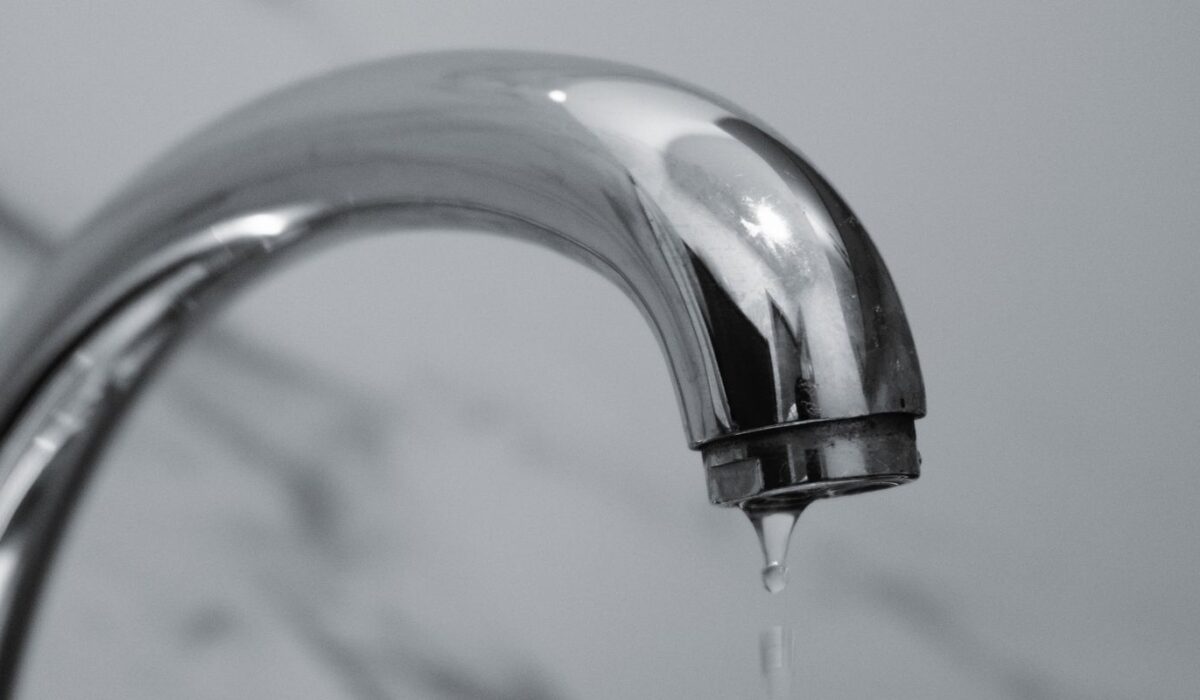
Phantom water use is the water your home consumes without any tap being open, any toilet being flushed, or any appliance running. It shows up on your bill as a mystery, but it always has a cause: a toilet flapper that closes late, a supply line weeping behind a wall, an irrigation valve that fails to seat, or a slow trickle at the base of a hose bib you last used six months ago. Finding it takes about two hours and a flashlight, and the diagnostic method works in any metered home.
Why Phantom Use Deserves Real Attention
According to the US Environmental Protection Agency, household leaks nationwide waste more than 1 trillion gallons every year, and the average family’s leaks account for nearly 10,000 gallons annually. Roughly one in ten homes has leaks wasting 90 gallons or more per day. Those numbers come from the agency’s Fix a Leak Week materials, and they map cleanly onto what plumbers find during full house audits.
Phantom use hides in the ambient noise of a house. A toilet that runs three seconds every ten minutes is inaudible from the next room, but over 30 days it can silently move more than 1,300 gallons through the meter. A hose bib dripping once per second in an unvisited side yard pushes past 3,000 gallons in a year. Pressurized leaks also worsen over time, so catching them early avoids a soaked drywall repair.
The Two Hour Meter Test
Every metered home has a diagnostic tool built into the sidewalk or basement: the water meter itself. Almost all residential meters made in the past twenty years include a low flow indicator, sometimes shaped like a small red or blue triangle, sometimes a tiny star, sometimes a rotating dial marked “1 gal” or “0.1 gal.” Its only job is to spin when water is moving through the meter, no matter how slowly.
To run the test, pick a two hour window when no water will be used. Late evening after dishes are done works well, or the middle of the workday if the house is empty. Turn off the icemaker line if you have one, since a fill cycle mid test will invalidate the reading. Then walk to the meter, lift the lid, and write down two things: the exact numeric reading and the position of the low flow indicator relative to something fixed on the dial face.
Come back in two hours. If the numeric reading has advanced at all, or the low flow indicator has moved even slightly, you have phantom use. The size of the movement roughly signals what class of leak you are dealing with. A gallon or less points to a slow drip or a toilet flapper that closes eventually. Five to ten gallons points to a stuck flapper, a running fill valve, or an irrigation zone that failed to shut. Anything above 20 gallons per hour is an active supply line leak or a valve fully open somewhere you have forgotten about.
Isolating the Source Room By Room
Once the meter has confirmed there is phantom use, the next step is figuring out which fixture is responsible. The fastest method is to shut the main water valve to the house and observe the meter again. If the low flow indicator freezes the moment the main is closed, the leak is inside the house or its irrigation system. If it keeps spinning, the leak is between the meter and the main shutoff, which is a job for the utility or a licensed plumber, not a homeowner.
Assuming the leak is inside, work outward from the most common culprits. Toilets account for the majority of hidden household leaks, usually because the rubber flapper has hardened with age and no longer seals against the flush valve seat. A drop of dark food coloring in each tank, left fifteen minutes with no flushing, will reveal a leaking flapper immediately: color in the bowl means water is moving from tank to bowl without any handle press. Replacement flappers cost 5 to 15 dollars and install in about ten minutes.
After toilets, check the water heater’s temperature and pressure relief valve, the discharge pipe from any water softener, and the base of every faucet. Outside, walk the perimeter and look for damp patches, unusually green grass, or a soft spot in mulch above an irrigation line. For a deeper look at what corrosion does to supply piping, our writeup on old plumbing and slow drips covers what to watch for in homes built before the mid 1990s.
A Worked Example: The 87 Dollar Toilet
Consider a household in Austin, Texas with a two hour test result of 3.2 gallons and no visible leaks. That is 1.6 gallons per hour, roughly 38.4 gallons per day, and about 14,000 gallons over a full year. At the city’s 2025 tier two combined water and wastewater rate near 6.30 dollars per thousand gallons, the phantom flow adds about 87 dollars per year before any tiered escalation.
The homeowner replaced a hardened flapper with a WaterSense certified kit for 12 dollars and reset the fill valve to stop at the marked waterline. The next month’s meter test read zero across two hours. The example matters because a gallon and a half per hour looks trivial in isolation, yet multiplied across 8,760 hours it becomes real money and real water pulled from a stressed aquifer.
Fixtures That Cause Phantom Use Most Often
Utility leak detection programs consistently rank the same suspects at the top of the list. Toilet flappers and fill valves lead by a wide margin, followed by outdoor spigots and hose bibs left slightly open, irrigation solenoid valves that fail to seat, and water softener bypass fittings installed hand tight. Ice maker supply lines, particularly the plastic tubing kits sold with budget refrigerators, are a distant but real source of slow drips behind the appliance.
Faucet aerators are worth checking during the same visit. Swapping an old 2.2 gallon per minute aerator for a WaterSense labeled 1.5 gallon per minute model cuts flow by about 32 percent with no perceptible drop in performance. The EPA’s bathroom faucet program page lists the certification threshold.
One last category worth flagging: recirculating hot water pumps. If your house has one and its check valve fails, a slow reverse flow through the cold line registers on the meter but never shows up as a visible drip.
Frequently Asked Questions
How accurate is a residential water meter for detecting very small leaks?
Most modern residential meters certified to AWWA standards can register flows as low as one quarter of a gallon per hour on the low flow indicator, and many newer ultrasonic meters register even lower. That resolution is more than enough to catch a serious toilet flapper leak, a dripping hose bib, or a weeping supply fitting. Older mechanical meters from the 1980s are less sensitive and may miss the slowest drips, so if your meter is decades old and the test reads clean but your bill still looks high, a second confirmation with dye tablets in every toilet is worth the ten minutes.
What if I do not have a low flow indicator on my meter?
Meters without a dedicated low flow triangle still have a numeric register, and any change in the last digit across a two hour test with no water use confirms a leak. Photograph the register at the start of the test and again at the end so you can compare the exact digits without relying on memory. If the readout is digital and only updates in whole gallon increments, extend the test to four hours to give a slow leak time to accumulate enough flow to trip the display.
Can a water softener cause phantom use even when nobody is home?
Yes, and it is a common cause of high overnight readings. Water softeners regenerate on a schedule, typically in the early morning hours, and a stuck regeneration valve can send hundreds of gallons through the meter across a single cycle. If your two hour test is clean during the day but your monthly usage still spikes, check the softener’s regeneration schedule and observe one cycle in person to confirm it completes and shuts off. A softener that regenerates every night when it should run every fourth night is another silent driver of phantom use.
How often should the two hour meter test be repeated?
Once a quarter is a reasonable cadence for a home with average fixture age, and once a month is worth the effort if you have older toilets, an irrigation system, or a bill that has been drifting upward for no obvious reason. The test itself takes about five minutes of active time plus the two hour wait, which can happen entirely in the background. Running it seasonally also catches irrigation leaks that only appear once the outdoor system is turned on in spring.