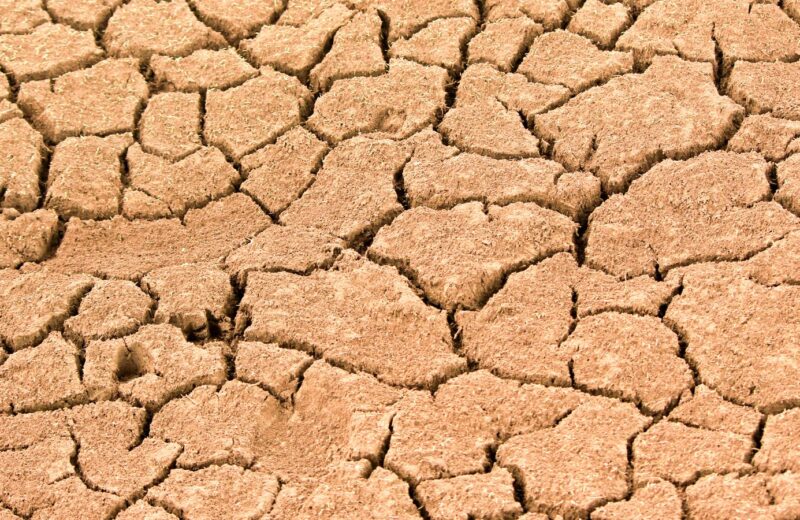
Drought conditions don’t have a single universal meaning. The word covers a wide range of situations, from mild seasonal dry stretches to severe multi-year crises. Understanding what drought actually means in your area, what changes when it’s declared, and what stays the same is essential for residents in dry-prone regions.
For most American households, drought awareness lives at one of three levels: invisible (no real changes), advisory (voluntary reductions requested), or mandatory (specific restrictions enforced). Each level has different practical implications.
The classification system
The U.S. Drought Monitor uses a five-level classification:
| Level | Description | Typical impacts |
|---|---|---|
| D0 | Abnormally Dry | Short-term dryness; minor pasture impacts |
| D1 | Moderate Drought | Voluntary water restrictions; declining pastures |
| D2 | Severe Drought | Water shortages common; mandatory restrictions begin |
| D3 | Extreme Drought | Major water shortages; significant agricultural losses |
| D4 | Exceptional Drought | Widespread shortages and emergency conditions |
Most discussion of “drought” in news media refers to D2 or higher conditions. Below D2, conditions are dry but not officially “drought” in the strictest sense.
What changes with declared drought
The specific changes when drought is officially declared vary by jurisdiction, but typically include some combination of:
Outdoor watering restrictions
- Specific days allowed for watering (often based on address)
- Hours of allowed watering (typically early morning or evening only)
- Restrictions or bans on lawn watering
- Restrictions on washing vehicles or paved surfaces
- Restrictions on filling pools
Indoor restrictions (severe drought only)
- Voluntary reduction targets (often 10 to 25 percent)
- Restrictions on water in restaurants (water served only on request)
- Hotel water-saving requirements
- In severe cases, mandatory percentage reductions
Pricing changes
- Increased water rates, particularly in higher tiers
- Drought surcharges
- Penalty pricing for usage above baseline
Enforcement
- Warning systems for violations
- Fines (often increasing for repeat violations)
- In severe cases, water service restrictions for repeat violators
What doesn’t change
Despite drought declarations, certain things typically remain available and unchanged:
- Indoor drinking water
- Bathing and hygiene
- Cooking
- Toilet use (though efficient toilets become more attractive)
- Essential medical and emergency uses
The point of drought restrictions isn’t deprivation. It’s targeted reduction of non-essential outdoor use while maintaining indoor function.
Understanding your local drought situation
Each region has its own drought patterns. Some areas (Southwest, parts of California) experience frequent multi-year droughts as a regular feature of climate. Others (most of the East and Midwest) experience drought only occasionally and in less severe forms.
Useful information for residents in dry-prone regions:
- Current drought status (U.S. Drought Monitor publishes weekly)
- Local utility’s drought response plan
- Specific restrictions if any are in effect
- Reservoir levels (for areas with surface water supply)
- Groundwater levels (for areas with well water)
Many utilities post current restrictions on their websites and send notifications to customers about changes.
The proactive household
Households in drought-prone regions benefit from being conservation-ready before drought is declared. The transitions are easier if the infrastructure and habits are already in place.
Specific preparations:
- Drought-tolerant landscaping that doesn’t require restriction-period adjustments
- Drip irrigation rather than sprinklers (often allowed when sprinklers are restricted)
- Rain barrels for non-restricted water source
- Efficient indoor fixtures so reductions don’t require dramatic behavior change
- Mulched garden beds that handle drought conditions well
A household that’s already efficient finds drought restrictions barely noticeable. A household running heavy outdoor irrigation faces dramatic adjustments.
Seasonal versus structural drought
Some droughts are seasonal: a particularly dry summer, recovered by the next winter’s rains. Others are structural, meaning long-term patterns of reduced precipitation that reflect climate shifts.
The Southwest’s current drought, which has persisted in various forms for over two decades, is increasingly recognized as the latter. That means the conservation thinking should be permanent, not temporary. The “drought-resilient yard” isn’t a temporary modification. It is the appropriate long-term landscape for the region.
For homeowners in regions where drought is becoming the new normal, the deeper question is how to design home and lifestyle for sustained lower water availability, not just to wait out the current dry spell.
The community dimension
Drought response works best at community scale. Individual households conserving help; whole neighborhoods conserving have much larger impact.
Community-level actions during drought:
- Compliance with restrictions (everyone follows the same rules)
- Reporting violations (some jurisdictions have hotlines)
- Participating in rebate programs (lawn removal, fixture upgrades)
- Conservation conversations within HOAs and neighborhoods
- Support for utility infrastructure investments
When drought becomes severe enough, the response moves from individual to municipal: water transfers between districts, emergency supply development, infrastructure projects. Community engagement in these decisions matters because they shape how the region handles long-term water security.
Living with recurring dry cycles
For most American households, drought is something that happens periodically and produces moderate inconveniences. Outdoor watering schedules tighten. Car washes get postponed. Lawns may brown for a season. Life mostly continues.
For households in the most drought-affected regions, drought is increasingly the baseline rather than the exception. The water systems, landscapes, and habits should reflect that reality permanently.
The middle ground, households in regions that experience occasional drought but generally have adequate water, benefits from drought-aware living even between formal declarations. The same practices that help during drought (efficient fixtures, drought-tolerant plants, conservation habits) also reduce ordinary water use, lower bills, and reduce the household’s contribution to regional water stress.
Whatever your region’s drought patterns, the awareness is useful. Water is a finite resource managed by complex systems with limited buffer. Understanding what drought means, what it changes, and what stays the same makes you a better-informed user of the resource, whether you’re currently experiencing drought or not.
Rebates that soften the cost of preparation
Many U.S. water utilities offer rebates that significantly reduce the cost of conservation upgrades. The rebate picture varies dramatically by region. Some areas (California, Arizona, Nevada, parts of Colorado) have aggressive programs; others have minimal offerings. Worth a quick check before any significant purchase. The EPA WaterSense rebate finder is a useful starting point for locating what your utility currently offers.
Common rebate categories include:
- WaterSense-certified toilets ($50 to $250 per fixture)
- Smart irrigation controllers ($50 to $200)
- Lawn replacement with drought-tolerant landscape ($1 to $3 per square foot)
- Rain barrels and cisterns ($25 to $200)
- Greywater system installation (variable, sometimes substantial)
- High-efficiency washing machines ($50 to $150)
The rebates often exceed the price premium over standard equipment. The net effect is that water-efficient upgrades are sometimes cheaper than conventional alternatives once rebates are applied. Check with your local water utility or visit their conservation page to see what’s currently available. Programs change frequently: what wasn’t available last year may be now.